
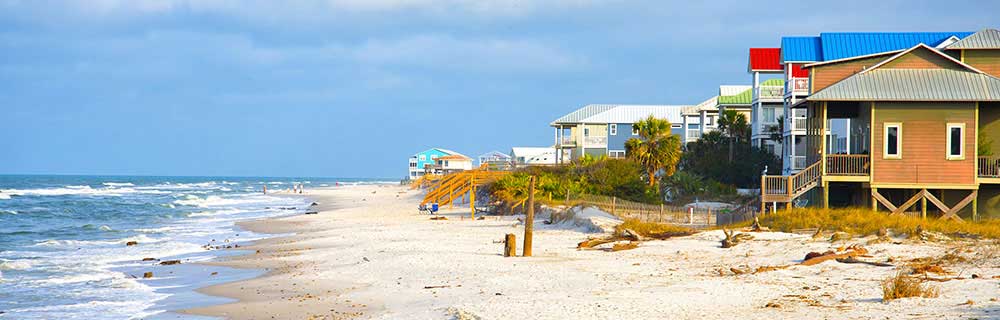
Every winter, millions of people looking out their windows at freezing snowstorms share the exact same dream. They dream of packing their bags, leaving the ice behind, and heading south to the warm, tropical sunshine.
These seasonal residents, known as Snowbirds, usually spend three to six months living in Florida. They get to enjoy the best of both worlds: northern summers and southern winters.
From handling complicated tax laws to securing your northern home, the preparation phase for the Florida Snowbird season is crucial. This guide covers the essential steps and lifestyle changes you need to know.
The Florida Snowbird Season Guide
Choosing Your Perfect Florida Destination
Florida is a massive state, and the lifestyle changes drastically depending on which coast or city you choose. You need to carefully match your personality and hobbies to the right region before signing a long-term lease.
The East Coast, featuring cities like Miami, Fort Lauderdale, and West Palm Beach, is generally faster-paced and more glamorous. It offers incredible nightlife, high-end shopping, and strong Atlantic Ocean waves perfect for surfing and boating.
On the other hand, the West Coast along the Gulf of Mexico, including Naples and Sarasota, is much quieter and more relaxed. It features calm, warm waters, spectacular sunsets, and a huge concentration of world-class golf courses.
Before you actually buy a winter property, it is highly recommended to rent in your desired neighborhood for at least one full season. This allows you to experience the local traffic and community vibe to ensure it truly fits your retirement dreams.
The Domicile Dilemma: Taxes and Residency
One of the biggest reasons retirees flock to Florida is the incredible financial benefits. Florida has no state income tax, which can save wealthy retirees thousands of dollars every single year.
However, you cannot just spend the winter in Florida and automatically claim those tax benefits. To stop paying taxes in your northern state, you must legally prove that Florida is your primary residence, known as your “domicile.”
Generally, this means you must live in Florida for at least 183 days out of the year. You also need to transfer your driver’s license, register to vote in Florida, and file a formal “Declaration of Domicile” at the local courthouse.
Because northern states hate losing tax revenue, they will aggressively audit you to prove you did not actually move. To protect yourself, always keep a highly detailed log of your flight dates, toll receipts, and medical appointments to prove exactly how many days you spent in Florida.
Healthcare and Prescriptions on the Move
As a retiree, maintaining seamless access to high-quality healthcare is likely your absolute top priority. Moving back and forth across the country can create dangerous gaps in your medical coverage if you are not careful.
If you use traditional Medicare, you are generally covered anywhere in the United States. However, if you have a Medicare Advantage plan, you must check if your specific network covers doctors and hospitals in your new Florida zip code.
Transferring your daily prescriptions between different local pharmacies every six months can also be a massive headache. The easiest solution is to transfer all your medications to a major national chain, like CVS or Walgreens, which allows you to pick up refills in any state.
Just to be safe, you should always schedule your major annual checkups with your primary doctor up north right before you travel. Finding a brand-new specialist in Florida during the busy winter season can take months, so it is best to arrive completely healthy.
Winterizing Your Northern Home
When you head south for the Florida Snowbird season, your house will be left alone. If you do not prepare the property correctly, you could return in the spring to a devastating disaster.
The threat to an empty winter house is frozen water pipes. You must shut off the main water valve and drain the pipes, or set your thermostat to around 55°F (12°C) to prevent freezing without wasting expensive heating energy.
Home security is another major concern when a house sits dark for six months. You should set up automated interior lights on timers to make the house look occupied, and stop all mail and newspaper deliveries.
Do not just rely on alarm systems to protect your asset. Pay a trusted neighbor or a local teenager to walk through your house once a week to check for hidden roof leaks or basement flooding.
Managing Mail and Finances
You cannot disappear for half the year and miss important legal documents, tax forms, or medical bills. Managing your physical mail is a critical logistical hurdle for all new Snowbirds.
The United States Postal Service offers a Premium Forwarding Service that packages your northern mail and ships it to Florida once a week. Alternatively, many Snowbirds now use digital mailbox services that scan their envelopes so they can read their mail online from anywhere.
Financially, you need to automate as much of your life as humanly possible. Switch all of your northern utility bills, property taxes, and credit card payments to auto-pay and paperless billing to avoid late fees.
Before you leave for your trip, make sure you call your credit card companies and your local hometown bank to inform them of your travel dates. If you forget to do this, they might freeze your credit cards for suspicious out-of-state activity the first time you buy groceries in Florida.
Embracing the Florida Snowbird Lifestyle
Once the stressful logistics are finally handled, you can truly embrace the incredible Snowbird lifestyle. Florida is heavily designed to cater to active adults, making it incredibly easy to transition into your new community.
Making friends is remarkably easy because almost everyone around you is also a transplant looking for social connections. You will quickly find endless opportunities to join local pickleball leagues, golf clubs, and community volunteer groups.
You will also need to adjust to the unique cultural quirks of Florida retirement communities. For example, dining out heavily revolves around “Early Bird” dinner specials at 4:30 PM, and dressing up usually just means wearing a slightly nicer polo shirt.
If you choose to move into a large, master-planned retirement community like The Villages, you should immediately invest in a golf cart. Golf carts are not just for playing sports; they are the primary mode of transportation and the absolute best way to socialize with your new neighbors.
Conclusion
Entering the Florida Snowbird season requires dedication, organization, and a bit of patience. It is normal to feel slightly overwhelmed by the logistics during your first winter migration.
However, once you establish your routines and set up your dual-state systems, the process becomes smooth. By your second or third year, packing up and heading south will feel like a natural, easy habit.
Are you currently preparing for your first Snowbird season, or are you just starting to dream about the Florida sunshine?